
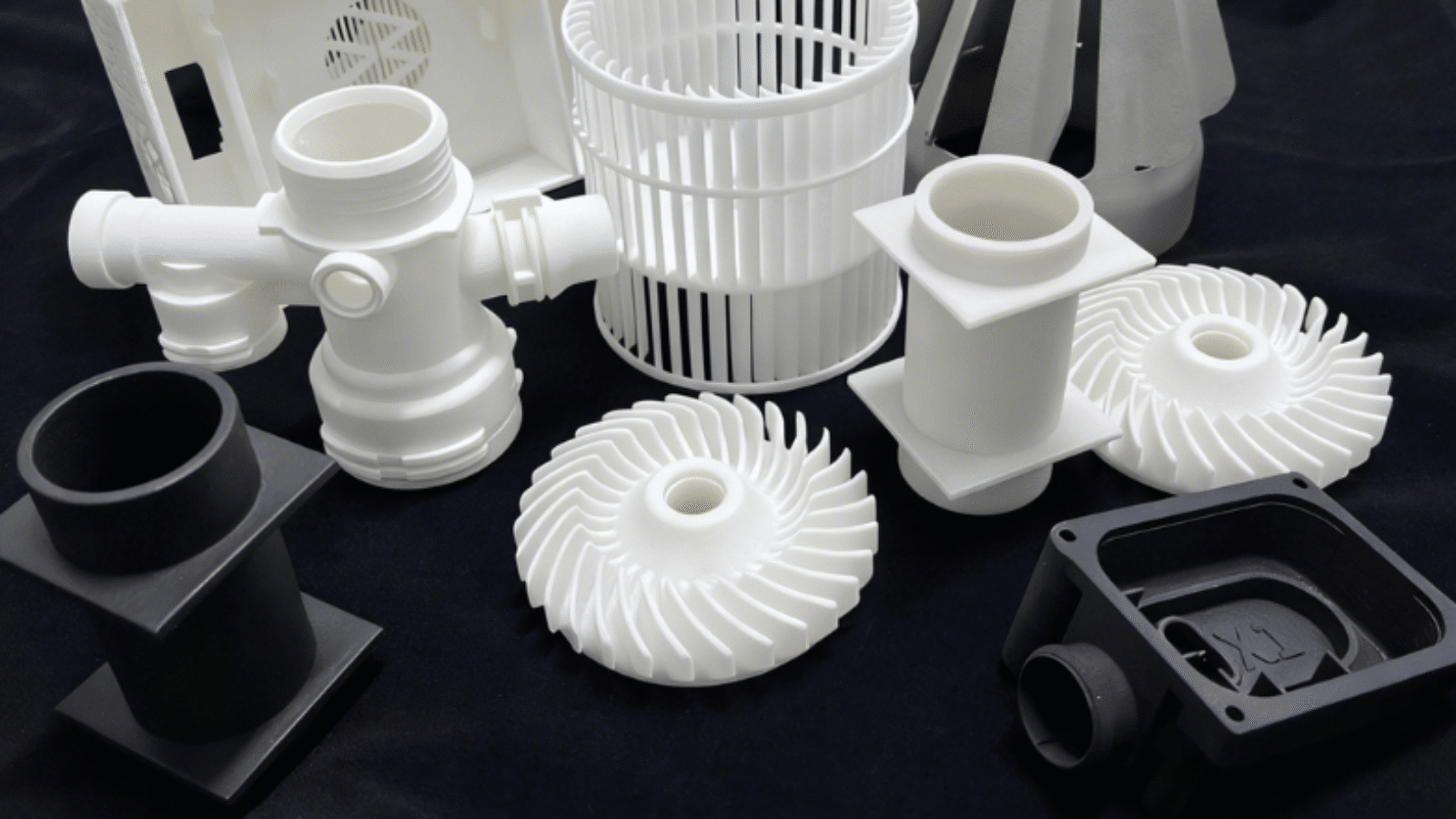
3D printing, also known as additive manufacturing, is one of the most revolutionary technologies of the modern industrial era. It enables the creation of three-dimensional solid objects directly from a digital file. Unlike traditional manufacturing methods that remove material from a solid block (known as subtractive manufacturing), 3D printing builds an object layer by layer, which allows for complex shapes, lightweight structures, and customized designs that were once impossible to produce.
How Does 3D Printing Work?
The 3D printing process begins with a digital design created using computer-aided design (CAD) software. Once the model is completed, it is converted into a format called STL or OBJ, which describes the surface geometry of the object. The design file is then sent to a 3D printer, where specialized software slices it into thin horizontal layers — each representing a cross-section of the final product.
During printing, the machine deposits or solidifies material layer by layer according to these digital slices. Depending on the printing technology, materials can include plastic, resin, metal, ceramic, or even concrete and biological materials. The layers bond together until the entire object is formed, creating a precise and durable structure.
Main Types of 3D Printing Technologies
There are several different 3D printing technologies, each with its own advantages and applications:
- Fused Deposition Modeling (FDM):
The most common and affordable technique. Thermoplastic filament is melted and extruded through a nozzle to build up layers. Ideal for prototypes and simple functional parts. - Stereolithography (SLA):
Uses a laser to cure liquid resin into solid layers. Known for its high precision and smooth surface finish, it’s widely used in jewelry, dentistry, and design models. - Selective Laser Sintering (SLS):
A laser fuses powdered materials (like nylon or metal) together. SLS is excellent for industrial applications and allows for complex geometries without support structures. - Direct Metal Laser Sintering (DMLS) and Electron Beam Melting (EBM):
These metal-based techniques are used in aerospace and automotive industries for producing strong, lightweight, and high-performance metal components.
Applications of 3D Printing
3D printing is transforming multiple industries:
- Manufacturing: Rapid prototyping allows companies to design and test parts quickly, reducing development time and cost.
- Medical: Custom-made implants, dental crowns, prosthetics, and even human tissue scaffolds are now produced using 3D printers.
- Architecture and Construction: Large-scale printers can build entire houses or concrete structures layer by layer.
- Aerospace and Automotive: Lightweight metal parts help reduce fuel consumption and improve performance.
- Education and Art: 3D printing inspires creativity and innovation in classrooms and art studios.
Advantages of 3D Printing
- Design Flexibility: Create complex shapes that traditional manufacturing cannot achieve.
- Customization: Each product can be easily adjusted to specific needs or user preferences.
- Reduced Waste: Material is used only where needed, making it more sustainable.
- Speed and Cost Efficiency: Perfect for small production runs and rapid prototyping.
The Future of 3D Printing
The potential of 3D printing is still expanding. With ongoing advancements in materials, speed, and precision, the technology is expected to reshape how products are designed and manufactured. From 3D-printed organs and electric car parts to space exploration components, its possibilities seem limitless.
As the technology becomes more accessible and affordable, 3D printing is not just a trend — it represents the next wave of industrial innovation, bridging creativity, sustainability, and technology in a truly transformative way.
Add a Comment